

Τιμή Εκδότη: 35,50 €
Διαθέσιμο κατόπιν παραγγελίας.
Χρόνος παράδοσης 2 - 6 εργάσιμες ημέρες, υπό την προϋπόθεση ύπαρξης αποθέματος στον εκδότη.
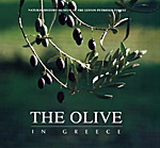
The olive is a tree of the sea breeze. It is not to be found among the hyperboreans, and does not exist in the torrid zone. On the shores of the seas of the temperate zone, or where the winds are channelled to the hinterland through deep gorges or along the banks of rivers, colonies of olive groves coexist with the rugged landscape. It is not by coincidence, but through the causal nexus of the historical duree, that where the olive flourishes there were and there are civilisations of stone, of metal, of the earliest history, civilisations of war and peace, of art and asceticism. In the geographical zone defined by the ancient chroniclers as the cradle of the inhabited world, on the site of ruins and in landscapes of exceptional natural beauty, the antiquities and the modern settlements coexist with olive to such a degree that it is not easy to make out who created whom: was it the ancient people who tamed the wild olive, grafted vines and provided homes for the bees, or did these goods perhaps attract the dedication of hunting people, tamed them near the sea shore, and led them to the potter` s wheel and the threshing-floor? As in the case of other essential questions, there is no one absolute answer. Even if the worlds of men were established in an unintelligible and ineffable way, the grey, flourishing undulations of the olive tree became a symbol of total violence.
[Απόσπασμα από κείμενο παρουσίασης εκδότη ή έκδοσης]
Σχετικά προϊόντα
-
Προσφορά!
Κριστίν
Τιμή Εκδότη: 22,20 €
Τιμή E-shop: 17,80 € -
Μη γράφετε Αρθούρος
Τιμή Εκδότη: 16,00 €
Τιμή E-shop: 14,40 € -
Προσφορά!
Πάτι και Ρόμπερτ
Τιμή Εκδότη: 15,50 €
Τιμή E-shop: 11,00 € -
Πίνοντας καφέ με τον Θουκυδίδη
Τιμή Εκδότη: 11,00 €
Τιμή E-shop: 9,90 € -
Ο Δαίμων Ξέρει
Τιμή Εκδότη: 30,00 €
Τιμή E-shop: 27,00 € -
Το δέντρο έρχεται
Τιμή Εκδότη: 14,40 €
Τιμή E-shop: 12,96 € -
Προσφορά!
3.000 Eυρώ
Τιμή Εκδότη: 16,00 €
Τιμή E-shop: 11,20 € -
Προσφορά!
Οι Κράχτες
Τιμή Εκδότη: 16,00 €
Τιμή E-shop: 11,20 €